
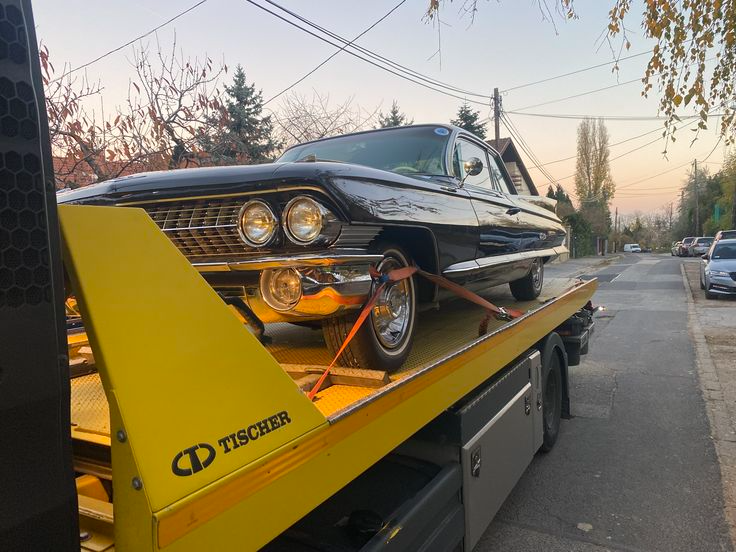
Open vs. Enclosed Car Transport: How to Choose the Right Shipping Method
When arranging auto transport, one of the most important decisions is choosing between open and enclosed car shipping.
Both methods are widely used for transporting vehicles, but they differ in cost, environmental protection, and equipment availability.
Understanding these differences can help you choose the transportation method that best suits your vehicle and budget.
What Is Open Car Transport?
Open car transport involves loading vehicles onto an open-air trailer.
These carriers commonly transport several cars at the same time and are frequently used by dealerships, manufacturers, and individual customers.
Open shipping is popular because it offers an economical way to move standard passenger vehicles.
However, vehicles are exposed to outdoor conditions during transportation.
What Is Enclosed Car Transport?
Enclosed car transport involves shipping vehicles inside covered trailers.
The trailer provides a barrier against weather, dust, and common road debris.
This method is often selected for luxury automobiles, classic cars, exotic sports cars, and valuable collectibles.
Some enclosed carriers also offer specialized loading equipment for low-clearance vehicles.
Open vs. Enclosed Transport Comparison
| Feature | Open Transport | Enclosed Transport |
|---|---|---|
| Typical cost | Lower | Higher |
| Weather exposure | Exposed | Reduced |
| Road debris exposure | Greater | Reduced |
| Carrier availability | Generally broader | May be more limited |
| Best suited for | Everyday vehicles | Luxury and collector vehicles |
| Specialized loading | Depends on carrier | More options on some carriers |
| Interstate shipping | Available | Available |
Which Method Is More Affordable?
Open transport generally costs less because carriers can accommodate multiple vehicles on a trailer.
Enclosed shipping often costs more due to limited trailer capacity and specialized transportation requirements.
If you’re shipping a standard sedan or family SUV, open transport may be the most economical choice.
If you’re shipping a valuable restored vehicle, enclosed transportation may justify the higher price.
Which Option Offers Better Protection?
Enclosed shipping provides more protection against direct exposure to weather and road debris.
Open shipping does not provide the same environmental barrier.
However, both methods require proper vehicle loading, securement, and handling.
Neither shipping method can eliminate every transportation risk.
Before booking, review the applicable insurance details and document your vehicle’s condition.
Which Method Is Better for Long-Distance Shipping?
Both open and enclosed carriers can be used for interstate and cross-country transportation.
The distance alone does not determine which option is better.
Instead, consider the vehicle’s value, condition, sensitivity to environmental exposure, and your budget.
For a standard commuter vehicle, open shipping may be entirely appropriate.
For a collector car with an expensive custom finish, enclosed transport may be preferable.
Questions to Ask Before Booking
Before selecting a shipping method, ask yourself:
-
Is my vehicle a standard daily driver or a specialty automobile?
-
How important is protection from outdoor elements?
-
What is my transportation budget?
-
Does my vehicle require special loading equipment?
-
How flexible are my pickup and delivery dates?
Your answers can help narrow down the best shipping method.
Final Thoughts
There is no single transportation method that is best for every vehicle.
Open transport provides affordability and widespread availability, while enclosed transport offers additional environmental protection.
Vehicle-Trans Auto Transport helps customers in Boerne, TX, explore both options based on their transportation requirements.
Need help choosing? Call (830) 505-5064 to discuss open and enclosed vehicle shipping.